In the sprawling urban landscapes of China, fashion serves as a visual dialect, a non-verbal language spoken through fabric, cut, and color that reveals the distinct personality of each metropolis. The sartorial choices seen on the streets of Shanghai, Chengdu, and Beijing are not merely about individual taste; they are profound reflections of each city's history, economic pulse, cultural priorities, and overall zeitgeist. To walk through these cities is to read three different chapters of a modern style narrative, each telling a unique story of identity and aspiration.
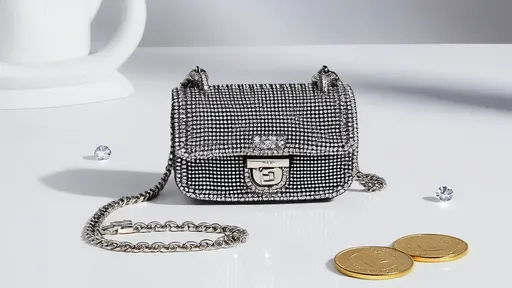
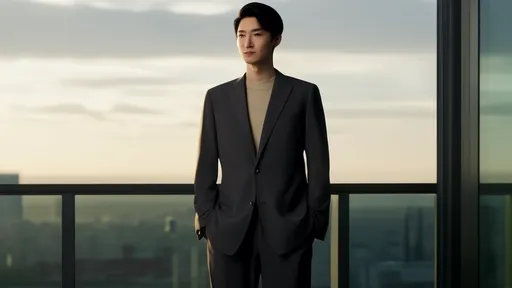
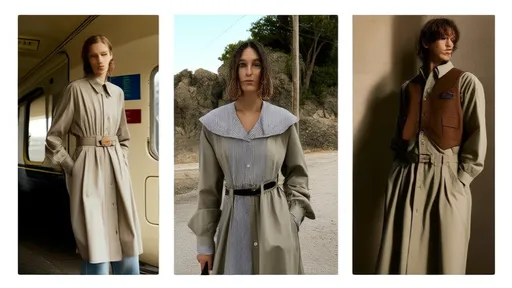
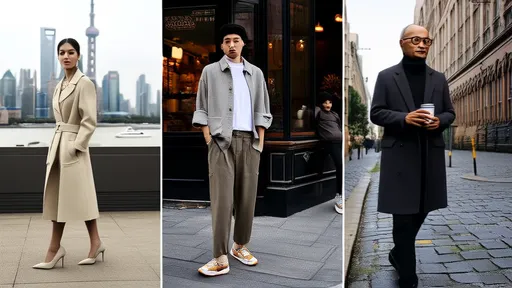
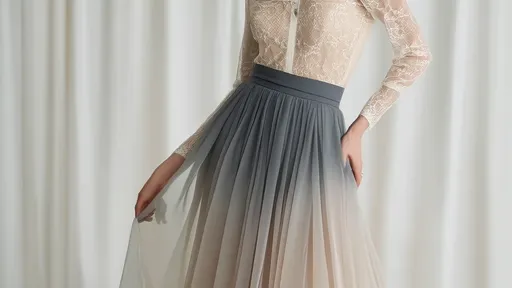
Shanghai, China's global financial hub, has long styled itself as the nation's gateway to the world. This identity is etched into the very fabric of its street style. There is an undeniable cosmopolitan polish, an air of sophisticated urgency that permeates the outfits seen in districts like the Former French Concession or along the bustling Nanjing Road. The Shanghai aesthetic is often a masterclass in tailored precision. You are less likely to find overt logos and more likely to encounter quiet luxury: impeccably cut blazers, architectural silhouettes, high-quality neutral-toned knitwear, and statement accessories like a finely crafted leather bag or minimalist jewelry. The influence of the city's thriving fashion week and its plethora of international brands is palpable. The look is curated, intentional, and often leans towards a sleek, modern interpretation of business casual, even on weekends. It’s a style that speaks of ambition, global awareness, and a desire to project an image of success and refined taste on the international stage.
This sartorial sharpness is underpinned by a culture that values presentation. In a city where first impressions in business and social circles can be paramount, clothing is treated as armor and a credential. The pace is fast, and the style matches it—efficient yet elegant. However, beneath this polished exterior, there is also a vibrant and daring sub-current. In areas like Xintiandi or among the city's creative communities, you'll find fashion risk-takers blending high-end designer pieces with avant-garde local designs, creating looks that are both globally informed and distinctly Shanghainese.
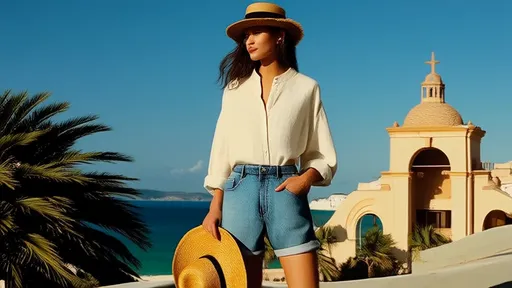
In stark contrast, the rhythm of life and style in Chengdu is decidedly more laid-back. The capital of Sichuan province is renowned as a haven of leisure and enjoyment, famous for its spicy cuisine, teahouses, and panda sanctuary. This relaxed, pleasure-seeking ethos translates directly into its streetwear, which champions comfort and individual expression without the pressure of perfection. Chengdu's style is a vibrant tapestry of casual cool, often infused with playful elements and a touch of quirky rebellion.
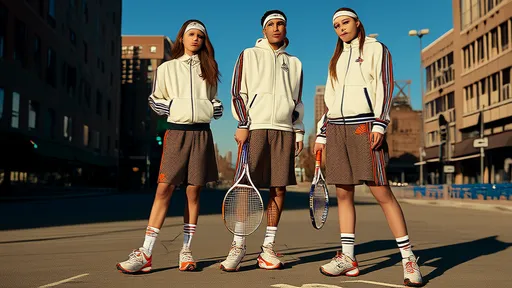
The ubiquitous presence of streetwear and sportswear brands is a key feature. You'll see a lot of oversized hoodies, graphic tees, comfortable sneakers (often limited editions), and baseball caps. It’s a look born from skate parks, trendy cafes, and late-night snack streets. Unlike Shanghai's monochrome palette, Chengdu embraces color, bold patterns, and ironic graphics. There is a strong sense of community and tribe, with groups of friends often exhibiting a coordinated, yet individualistic, casual aesthetic. This is also a city where local Chinese designers, particularly those with a streetwear edge, thrive and are visibly supported by the youth.
The climate of creativity in Chengdu fosters experimentation. It's acceptable, even encouraged, to mix styles—pairing a traditional Chinese element with a modern streetwear staple, for instance. This creates a look that is undeniably contemporary Chinese but without any stiff formality. The overall impression is one of confidence and ease; people dress for themselves and their own comfort first, projecting a friendly and approachable vibe that mirrors the city's famous hospitality.
Then there is Beijing, the ancient capital, where the weight of history and the power of politics are ever-present forces. Beijingese style carries a gravity and an eclectic mix that the other two cities lack. It is perhaps the most intellectually driven and nuanced of the three sartorial landscapes. Here, you find a fascinating collision of old and new, East and West, political conformity and personal intellectualism.
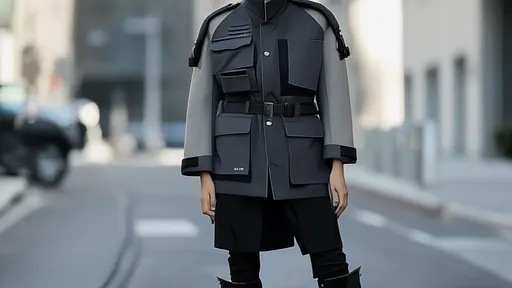
There is a strong undercurrent of practicality and subdued tones, reflecting both the northern climate and a certain bureaucratic sobriety. Yet, within this framework, there is profound expression. The hutongs (traditional alleyways) might reveal a young artist in a functional workwear jacket and sturdy boots, while the galleries of the 798 Art District showcase patrons in conceptual, deconstructed outfits that are more about ideas than appearance. Beijing style often has a textural, layered quality—think thick wools, raw denim, and natural fabrics that feel enduring and substantive.
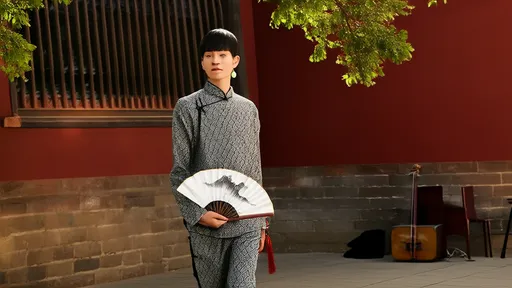
A defining characteristic is the deep integration of traditional Chinese elements, but not as costume or mere aesthetic. In Beijing, a silk mandarin collar jacket might be worn unironically with modern trousers; a piece of jade or a traditional hairpin might be incorporated into a contemporary outfit. This reflects a cultural confidence and a daily engagement with history that is unique to the capital. Furthermore, the city's massive intellectual and artistic communities foster a style that values authenticity, craftsmanship, and narrative over fast trends. It’s a style that can seem austere at first glance but reveals deep layers of meaning upon closer inspection.
Ultimately, navigating the street styles of Shanghai, Chengdu, and Beijing is like listening to three different musical genres. Shanghai offers the sleek, produced symphony of ambition and global fusion. Chengdu provides the upbeat, improvisational jazz of comfort and self-expression. Beijing presents the deep, complex classical piece that draws from ancient scores while composing modern movements. Together, they form a rich and evolving portrait of contemporary Chinese identity, proving that within one nation, there exists a multitude of ways to wear one's heart—and one's city—on one's sleeve.
By /Aug 21, 2025
By /Aug 21, 2025

By /Aug 21, 2025
By /Aug 21, 2025
By /Aug 21, 2025
By /Aug 21, 2025

By /Aug 21, 2025
By /Aug 21, 2025
By /Aug 21, 2025

By /Aug 21, 2025

By /Aug 21, 2025

By /Aug 21, 2025

By /Aug 21, 2025

By /Aug 21, 2025
By /Aug 21, 2025

By /Aug 21, 2025
By /Aug 21, 2025
By /Aug 21, 2025
By /Aug 21, 2025
By /Aug 21, 2025