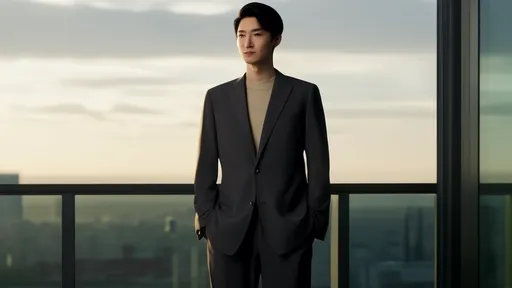
In the hushed ateliers of Milan and the bustling showrooms of New York, a quiet revolution is taking place at the shoulders. The power shoulder, that formidable architectural element synonymous with 1980s corporate ambition and unapologetic authority, is being meticulously deconstructed. The broad-shouldered suit, once a rigid uniform of command, is being reborn. Its re-entry into the fashion lexicon speaks to a profound cultural shift: a recalibration of what power looks, and more importantly, feels like in the contemporary world.
The original incarnation of the power shoulder was anything but subtle. It was a declaration. Popularized by designers like Thierry Mugler and Giorgio Armani, and embodied by figures from Margaret Thatcher to Joan Collins’s Alexis Carrington, the broad-shouldered blazer was a sartorial suit of armor. Its sharp, padded lines created an imposing silhouette designed to dominate boardrooms and command respect in male-dominated spaces. It was a visual metaphor for climbing the corporate ladder, a shoulder-padded assertion of one's right to be in the room. The message was clear, uncompromising, and hard-edged.
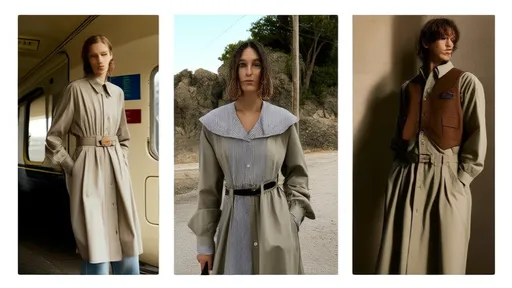
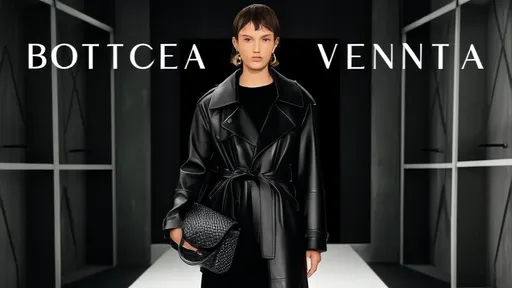
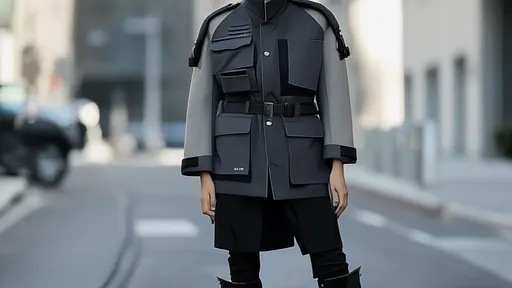
Today’s iteration, however, whispers where its predecessor shouted. The new wave of broad-shouldered tailoring is not about constructing an artificial frame but about enhancing the natural one. Designers are achieving this through cut and drape rather than excessive padding. The shoulders are extended, yes, but they are often softly rounded, sloping gracefully into the sleeve. Fabrics play a crucial role in this softening; where stiff wools and synthetics once ruled, we now see supple linens, fluid silks, technical jerseys, and soft, deconstructed wool blends that move with the body. The effect is less fortress and more fluidity.
This aesthetic evolution is inextricably linked to a deeper, societal transformation in the perception of power. The old model championed a kind of authoritarian, top-down leadership—power over others. The new paradigm values collaboration, empathy, and emotional intelligence—power with others. We celebrate leaders who are accessible, authentic, and versatile. The updated broad-shouldered suit mirrors this perfectly. It retains the confidence and stature of traditional power dressing but loses the aggression and impenetrability. It suggests authority without alienation, strength without rigidity. It is power that is earned through influence and integrity, not merely asserted through intimidation.
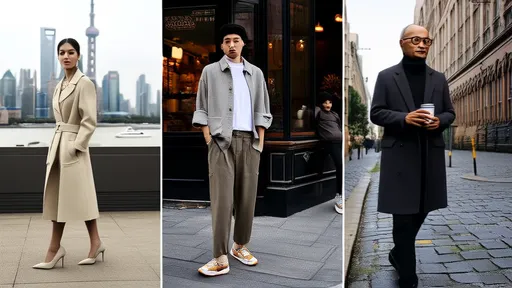
The androgynous nature of this trend further underscores its modern relevance. This is not a look confined to womenswear as a tool for navigating a man’s world, nor is it solely a menswear staple. It has been wholeheartedly embraced across the gender spectrum. On runways and streets alike, individuals are adopting this silhouette to express a form of power that is not inherently masculine or feminine but human. It democratizes the symbol, stripping it of its gendered baggage and repositioning it as a universal signifier of assured, personal strength.
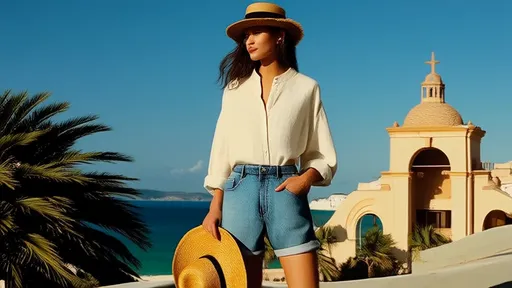
Styling choices further cement this shift towards a softer authority. The severe, sharp-suited looks of the past are being replaced with more nuanced combinations. Imagine a oversized, softly-shouldered blazer worn not with a matching pencil skirt and blouse, but with a simple white t-shirt, vintage Levi's, and sneakers. It’s paired with flowing midi dresses, bicycle shorts, or tailored shorts, creating a dialogue between formal and casual, between power and ease. This approachability is key. It tells the world that the wearer is confident enough in their power that they don’t need to hide behind a rigid uniform. They can borrow its language and then make it their own, breaking the rules they once had to follow.
Ultimately, the rebirth of the broad-shouldered suit is a masterclass in semiotics. An enduring symbol of authority has been taken apart, examined, and thoughtfully reassembled for a new era. Its sharp edges have been sanded down, its rigid structure made pliable. It remains a garment of immense power, but that power is now tempered with warmth, flexibility, and a distinct humanity. In its new form, the suit doesn’t command a room to listen; it invites a conversation. It stands as a testament to the idea that true, modern strength isn’t about being unyielding—it’s about resilience, adaptability, and the quiet confidence that needs no padding to prove its point.
By /Aug 21, 2025
By /Aug 21, 2025
By /Aug 21, 2025
By /Aug 21, 2025
By /Aug 21, 2025
By /Aug 21, 2025

By /Aug 21, 2025
By /Aug 21, 2025
By /Aug 21, 2025

By /Aug 21, 2025
By /Aug 21, 2025

By /Aug 21, 2025

By /Aug 21, 2025
By /Aug 21, 2025
By /Aug 21, 2025
By /Aug 21, 2025
By /Aug 21, 2025
By /Aug 21, 2025

By /Aug 21, 2025

By /Aug 21, 2025