In the sprawling landscape of fast fashion, where trends are born and discarded with alarming speed, the conversation around sustainability has shifted from a whisper to a roar. Consumers, increasingly aware of the environmental and social costs of their clothing choices, are demanding more from the brands they support. It is within this charged atmosphere that Uniqlo, the Japanese apparel giant, has carved out a unique and compelling path. Its approach to sustainability is not merely a side project or a marketing afterthought; it is woven into the very fabric of its product innovation strategy, presenting a fascinating case study of what a "conscience" in fast fashion can genuinely look like.
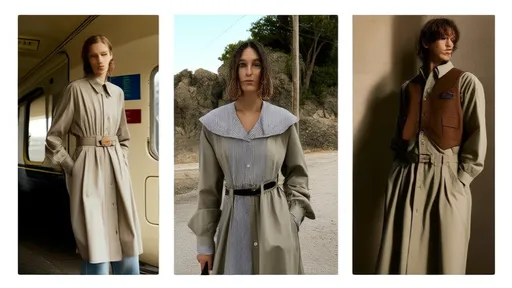
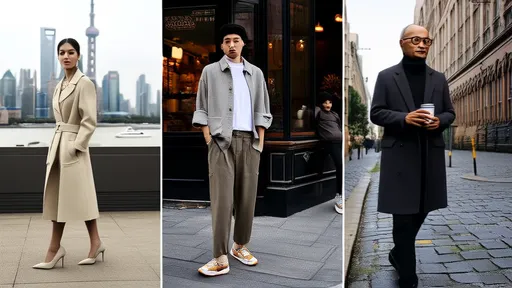
The foundation of Uniqlo's philosophy is rooted in the concept of LifeWear. Coined by the brand, this term describes clothing designed to make everyone's life better. It is simple, high-quality, everyday clothing with a practical sense of beauty. This core principle inherently rejects the disposability that plagues the fast-fashion industry. Instead of chasing weekly micro-trends, Uniqlo focuses on creating timeless, durable, and versatile pieces. This longevity is the first and perhaps most crucial pillar of its sustainable model. A garment that lasts for years, transcending seasons, is inherently more sustainable than one worn a handful of times before being relegated to a landfill. This focus on durability directly counters the culture of overconsumption, encouraging customers to buy less but buy better.
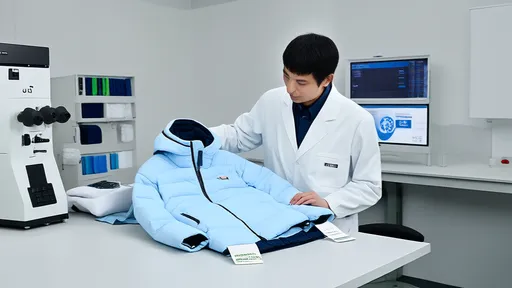
Uniqlo's product innovation is where its sustainability claims are substantiated through tangible technology. A flagship example is its work with recycled materials, particularly in its iconic fleece products. The brand has made significant strides in incorporating recycled polyester, often sourced from PET bottles, into its collections. This process diverts plastic waste from oceans and landfills, giving it a new life as soft, warm, and high-performing fabric. The innovation doesn't stop at the material level; it extends to the manufacturing process. Uniqlo has developed techniques to reduce water consumption during dyeing and finishing, a critical consideration given that the textile industry is one of the world's largest polluters of fresh water. These are not vague promises but measurable initiatives backed by specific targets for reduction and increased usage of sustainable materials across their global supply chain.
Beyond recycling, Uniqlo has pioneered the development of fabrics with enhanced functionality that also promote sustainability. Its famous HEATTECH line is a prime illustration. This lightweight, heat-generating underwear allows individuals to layer effectively, reducing the need to crank up the thermostat during colder months. By creating clothing that helps regulate body temperature efficiently, Uniqlo indirectly contributes to energy conservation on a massive scale. Similarly, its AIRism technology offers coolness and breathability in warmer weather, providing comfort without excessive air conditioning. This product-led approach to sustainability is clever because it embeds the environmental benefit into the product's primary utility—comfort and performance. The consumer chooses the item for its immediate benefit, and the positive environmental impact becomes a powerful secondary outcome.
However, the journey of a garment does not end at the point of sale. Uniqlo has also invested significantly in creating a circular ecosystem through its Re.Uniqlo recycling initiative. This program encourages customers to bring back their used Uniqlo clothing—down jackets, fleece, and HEATTECH items—to any store. The collected items are then either donated to refugee and vulnerable communities worldwide through partnerships with organizations like the UNHCR or, more innovatively, recycled into new products. The down from jackets is sterilized and purified for reuse in new products, and the polyester is re-spun into new fiber. This closed-loop system challenges the linear "take-make-dispose" model and represents a serious commitment to managing the entire lifecycle of its products, acknowledging the brand's responsibility beyond the checkout counter.
Of course, no discussion of a fashion brand's conscience is complete without addressing the human element. Uniqlo's parent company, Fast Retailing, has implemented a comprehensive code of conduct for all its suppliers and has joined initiatives like the Sustainable Apparel Coalition. It publishes an annual sustainability report detailing its progress and challenges in areas such as fair wages, safe working conditions, and the elimination of forced labor. While the entire industry faces immense challenges in monitoring vast and complex supply chains, Uniqlo's public commitment to transparency and its stated goals to improve the well-being of garment workers are essential components of its broader definition of sustainability.
Critics might argue that as a massive global retailer producing clothing on an enormous scale, Uniqlo is still part of an inherently resource-intensive system. The very nature of its business involves consumption. This is a valid point, and it highlights the complex, often contradictory, reality of "sustainable fashion." There is no perfect solution, only a spectrum of progress. Uniqlo's strategy is noteworthy because it leverages its scale for impact. Its innovations in recycled materials, for instance, drive demand and lower costs for these technologies across the industry. Its durability message, broadcast to millions of customers, helps shift consumer mindsets. Its recycling programs normalize the concept of circularity for the mainstream shopper.
Uniqlo’s story is not one of a perfect, greenwashed utopia but of a pragmatic and innovative evolution. It demonstrates that a fast-fashion company can indeed harbor a conscience by embedding sustainability into its core product DNA rather than treating it as a separate, niche concern. Through a multi-faceted strategy focused on long-lasting design, material innovation, water and energy reduction, product lifecycle management, and social accountability, Uniqlo is attempting to redefine its industry's boundaries. It offers a compelling vision where practicality, quality, and responsibility coexist, proving that the most sustainable garment is not only the one made from recycled materials but, perhaps more importantly, the one that is loved and worn for a very long time.

By /Aug 21, 2025

By /Aug 21, 2025

By /Aug 21, 2025

By /Aug 21, 2025

By /Aug 21, 2025
By /Aug 21, 2025

By /Aug 21, 2025
By /Aug 21, 2025

By /Aug 21, 2025

By /Aug 21, 2025

By /Aug 21, 2025

By /Aug 21, 2025

By /Aug 21, 2025
By /Aug 21, 2025

By /Aug 21, 2025

By /Aug 21, 2025
By /Aug 21, 2025

By /Aug 21, 2025

By /Aug 21, 2025

By /Aug 21, 2025